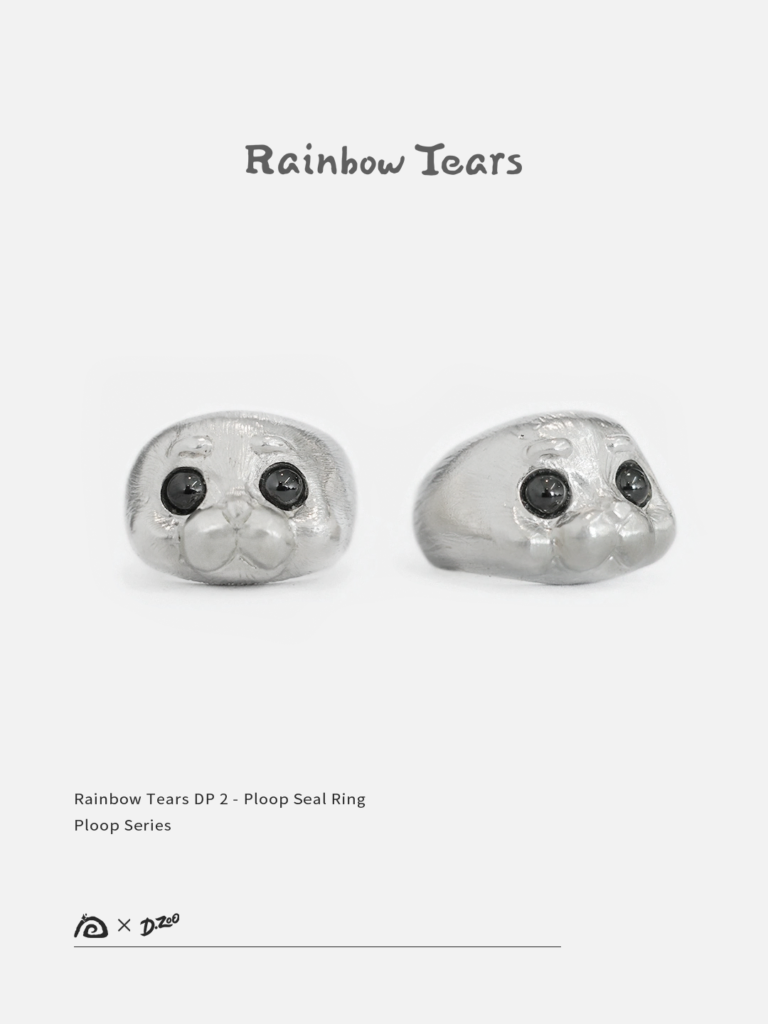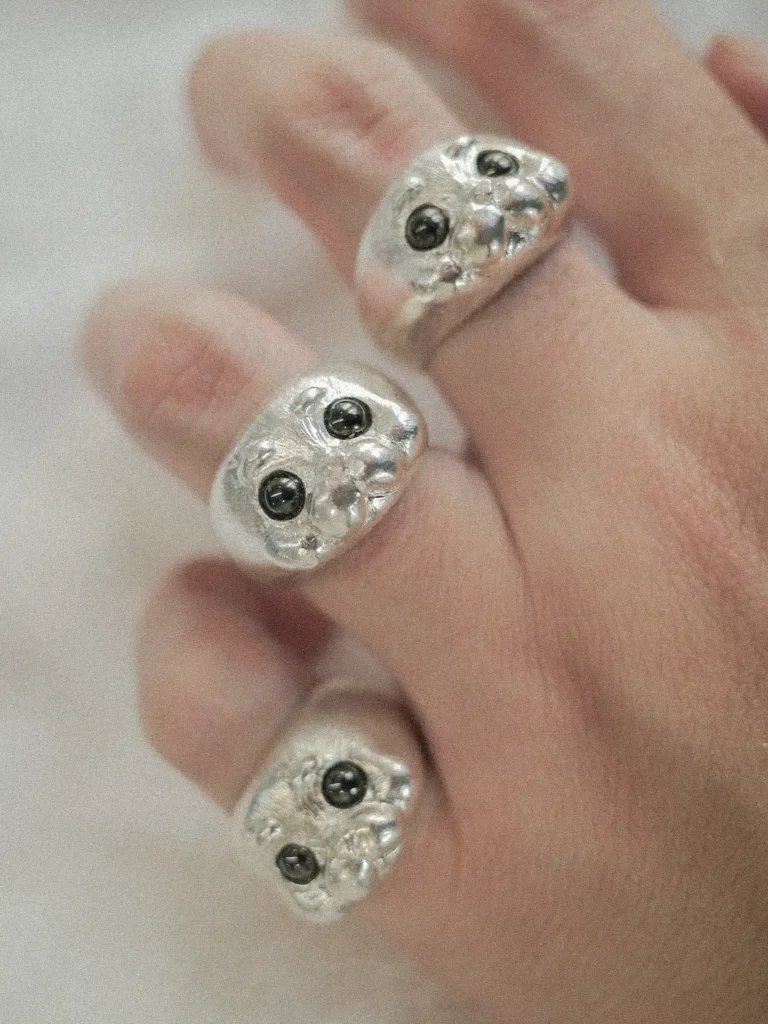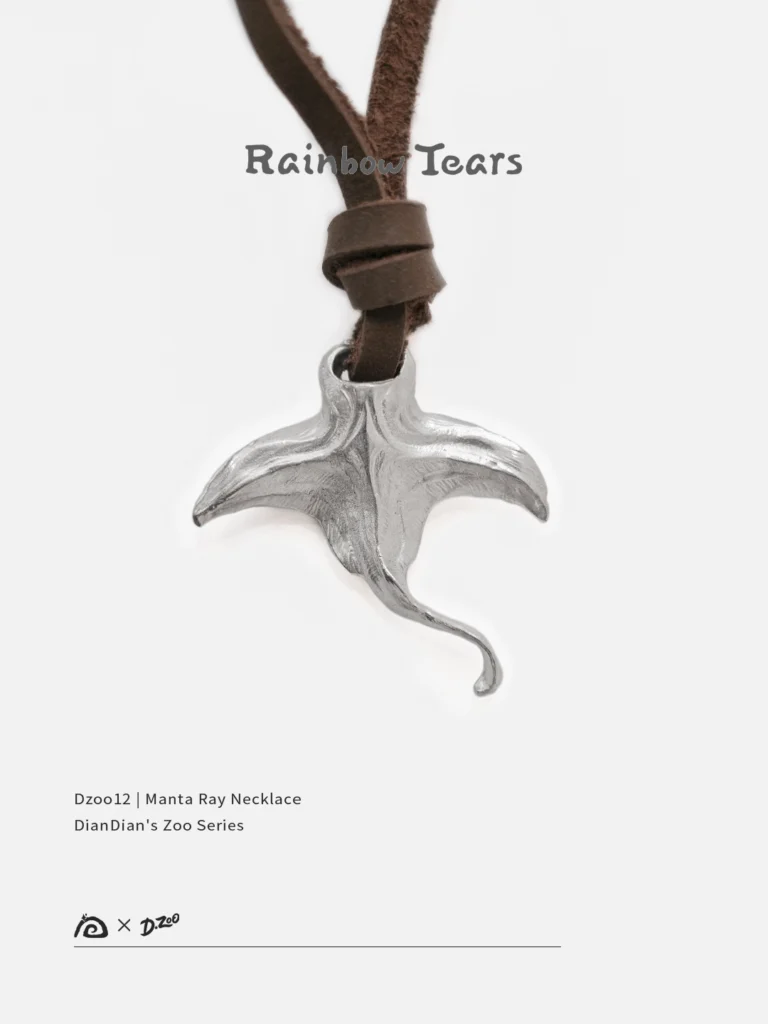

Lost-wax casting jewelry is one of the important and widely used techniques in jewelry making. In this article, we explain the complete lost-wax casting jewelry process, along with the related craftsmanship that transforms raw metal into wearable art.
Lost-wax casting, an ancient and precise technique, plays a pivotal role in the field of jewelry processing. It is not only widely used in the casting of precious metals such as gold, silver and platinum, and non-ferrous alloys, but also has become an indispensable part of modern jewelry making. Its uniqueness lies in its ability to produce metal products with exquisite shapes and diverse specifications.
Overall, lost-wax casting jewelry offers flexible production capacity. It supports one-of-a-kind custom pieces, small-batch studio work, and larger manufacturing runs. Below, we outline each step of the process and examine how different jewelry types require different technical approaches.
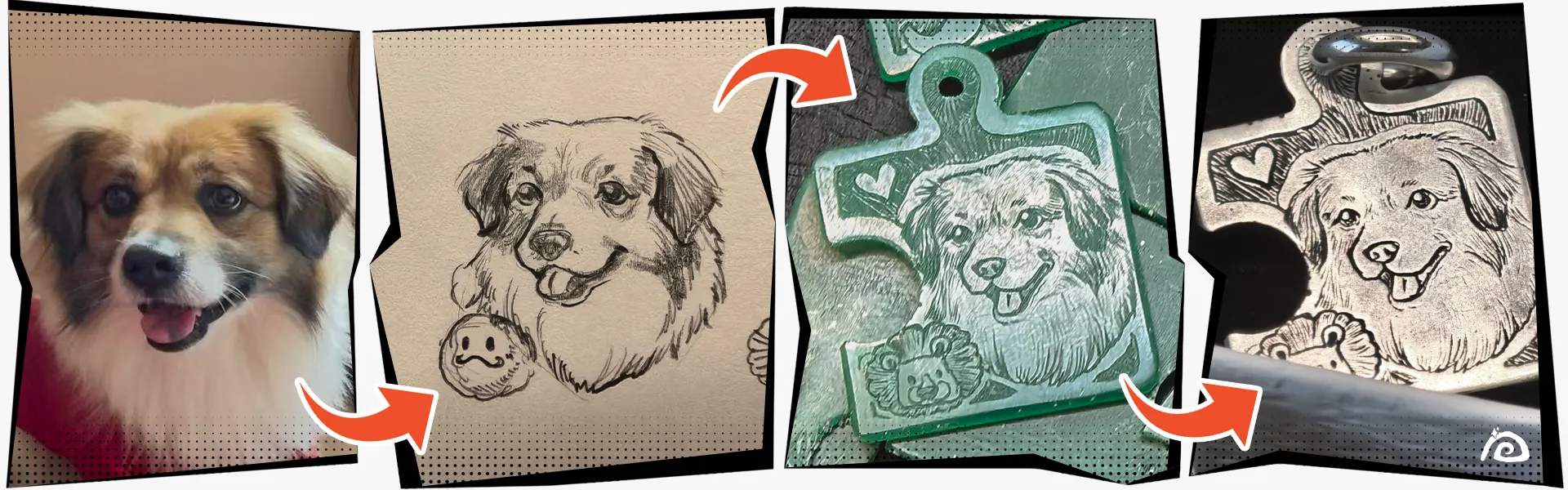
How to Do Lost-Wax Casting Jewelry
Preparing the Wax Model
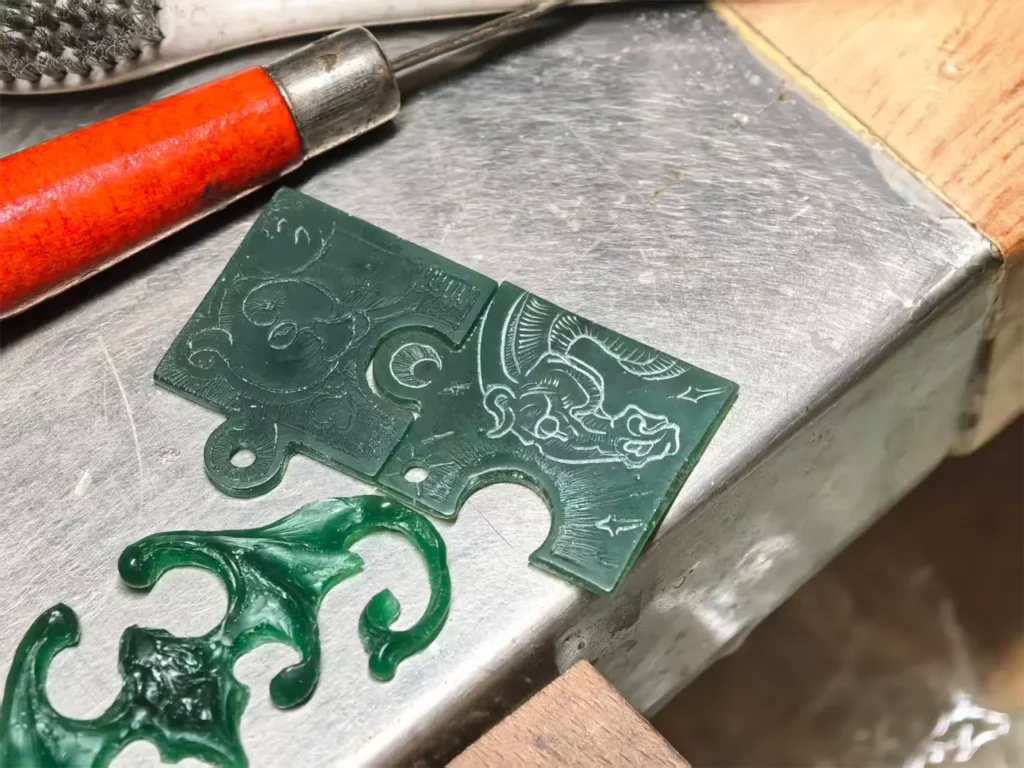
Every lost-wax casting jewelry project begins with a wax model. Jewelry designers can hand-carve wax models, use silicone molds to replicate them, or create them thru 3D printing. After the wax model is formed, the designer carefully cleans and polishes the surface to remove dust, grease, and imperfections. The quality of the wax model directly determines the final casting quality.
Spruing the Wax Tree
The jewelry designer connects the wax models to the central wax rod, forming a wax tree. First, the threaded wax rod is secured vertically onto a metal base. Then, the designer melts the wax wire and connects the wax models to the central pouring hole at a slightly upward angle. For larger pieces, additional support sprues reinforce stability. Finally, the jeweler checks spacing, balance, and structural integrity before moving to the next stage. Proper spruing ensures smooth metal flow during lost-wax casting jewelry production.
Weighing the Wax Tree
To calculate metal requirements accurately, the entire wax tree is weighed and recorded. The jeweler then subtracts the base weight to determine the total wax mass. Based on metal density and shrinkage rates, the required metal weight is calculated—typically 10 to 14 times the wax weight, depending on alloy type. As a result, precise measurement prevents material waste and casting defects.
Investment Casting: Making the Plaster Mold
The designer mixes the investment powder with water according to the manufacturer’s instructions. The designer vacuum-treats the mixture to remove air bubbles. Then, the designer slowly pours the slurry into the steel sand box until it completely covers the wax pattern. Afterward, the mold rests for one to two hours to achieve sufficient strength. This step forms the investment mold that defines the final metal structure in lost-wax casting jewelry.
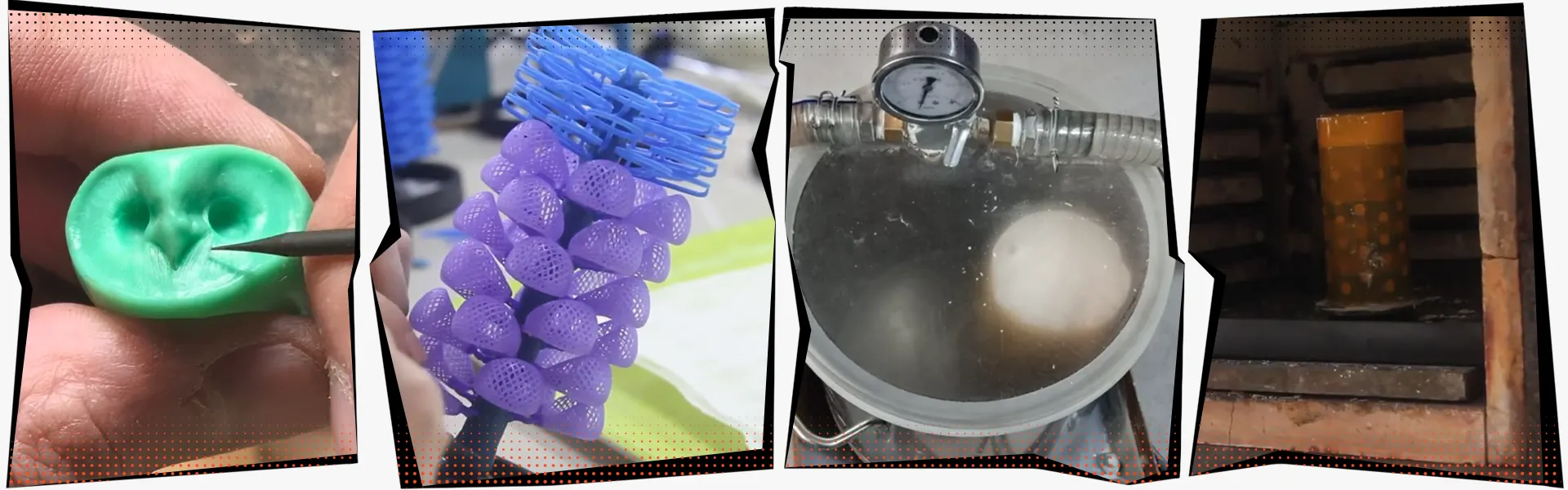
Burnout and Metal Casting
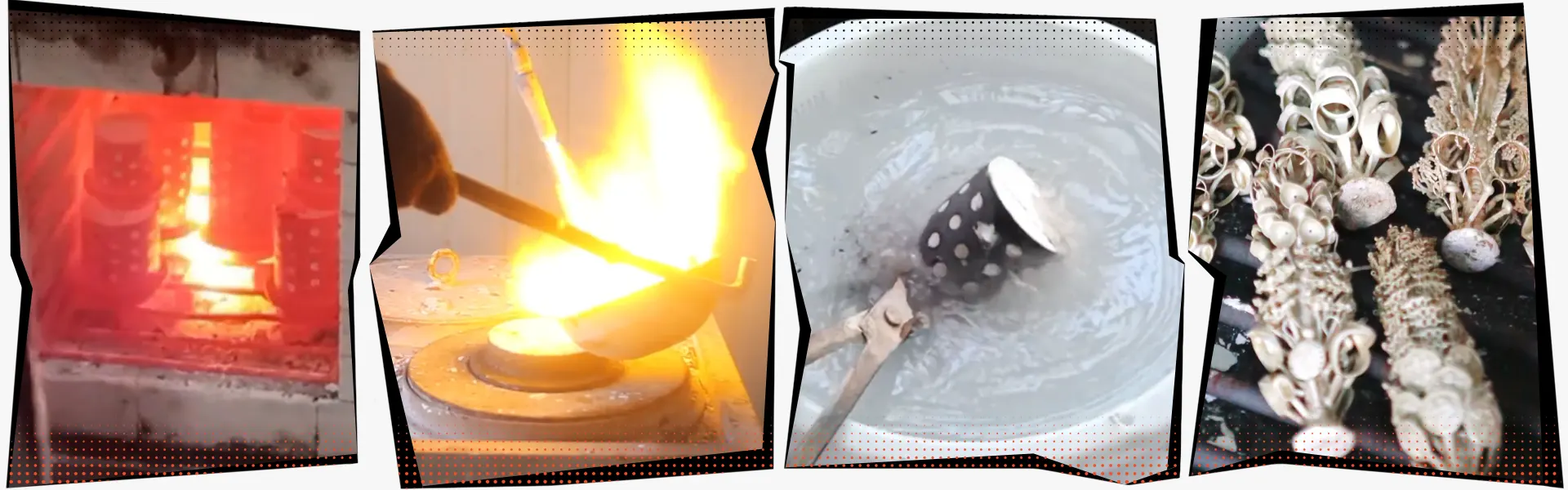
After curing, the flask is inverted and placed into a burnout furnace. As the temperature rises, the heat melts and removes the wax completely. The temperature gradually increases to approximately 700–900°C to eliminate residue and harden the mold. Once the mold reaches peak temperature, the jeweler quickly transfers it to the casting machine. The jeweler then pours molten metal into the mold and activates vacuum or centrifugal force to fill every cavity. At this point, this stage defines the structural success of lost-wax casting jewelry.
Cleaning and Cutting
After casting, the flask cools partially before quenching in water. The investment material breaks apart, revealing the metal tree. The jeweler removes the remaining plaster residue using high-pressure water. Finally, individual jewelry pieces are cut from the metal tree. At this point, the structural phase of lost-wax casting jewelry is complete.
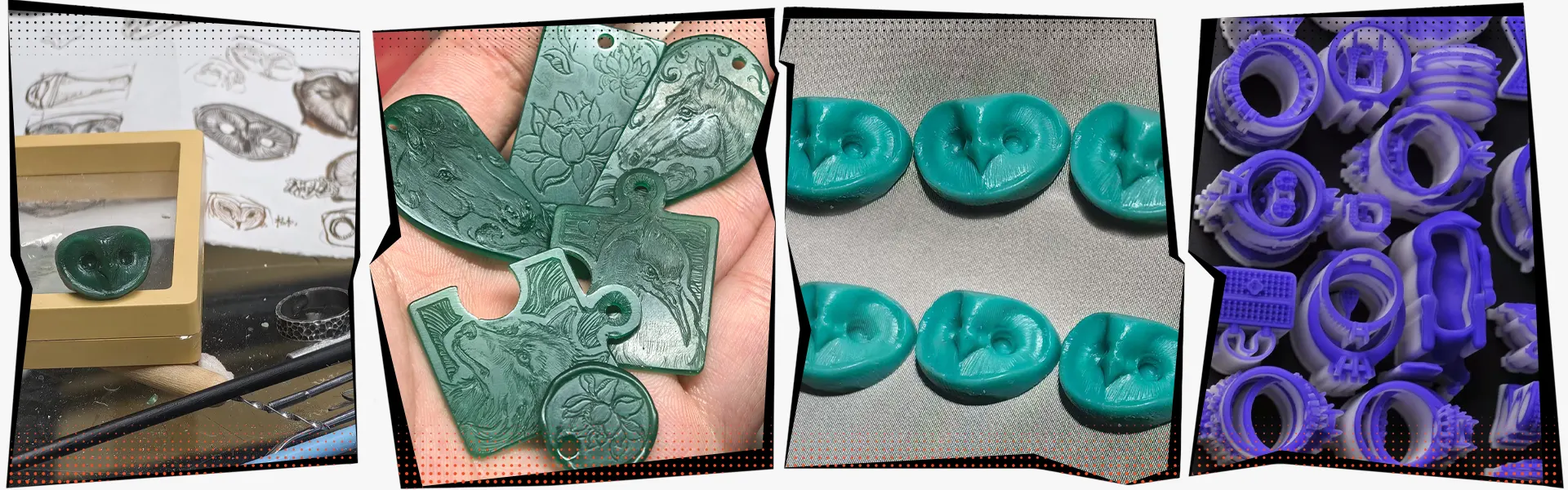
Key Processes Before Casting
The prototype design and forming before casting serve as the starting point of all steps, which determines the final style of the product.
Jewelry Design: Creativity Within Constraints
Successful lost-wax casting jewelry begins with intelligent design. The drawing guides every technical decision. Designers must balance artistic vision with structural feasibility. A skilled jewelry designer understands both aesthetics and engineering.
Wax Model Techniques and Their Meaning
Hand-Carved Wax
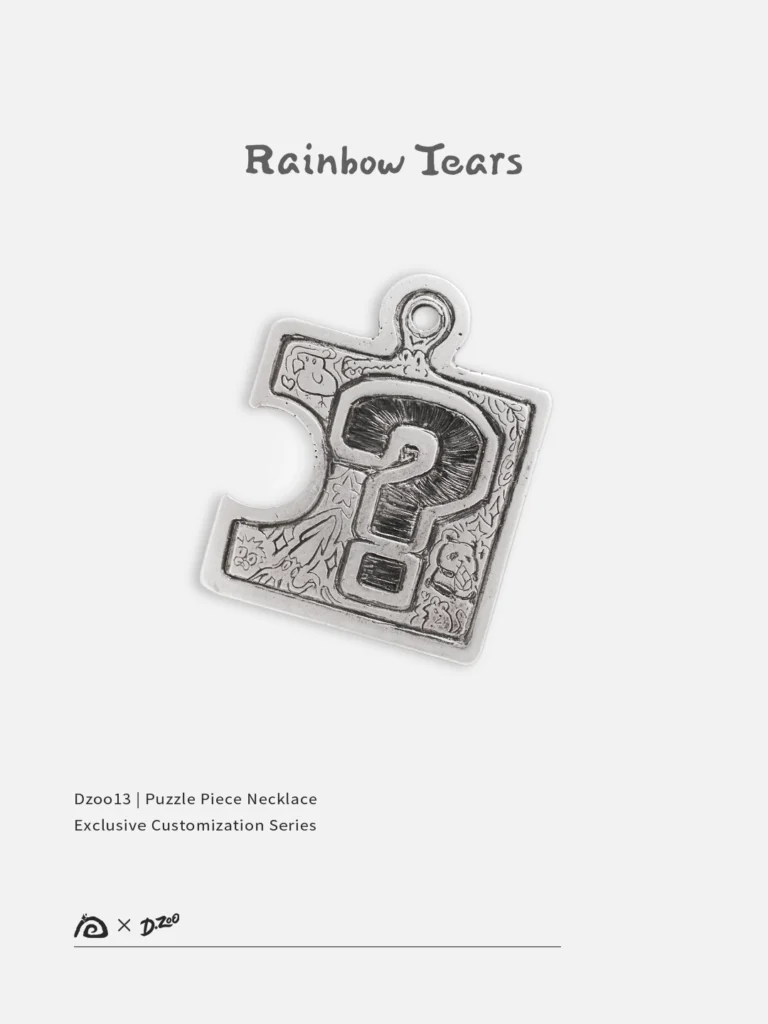
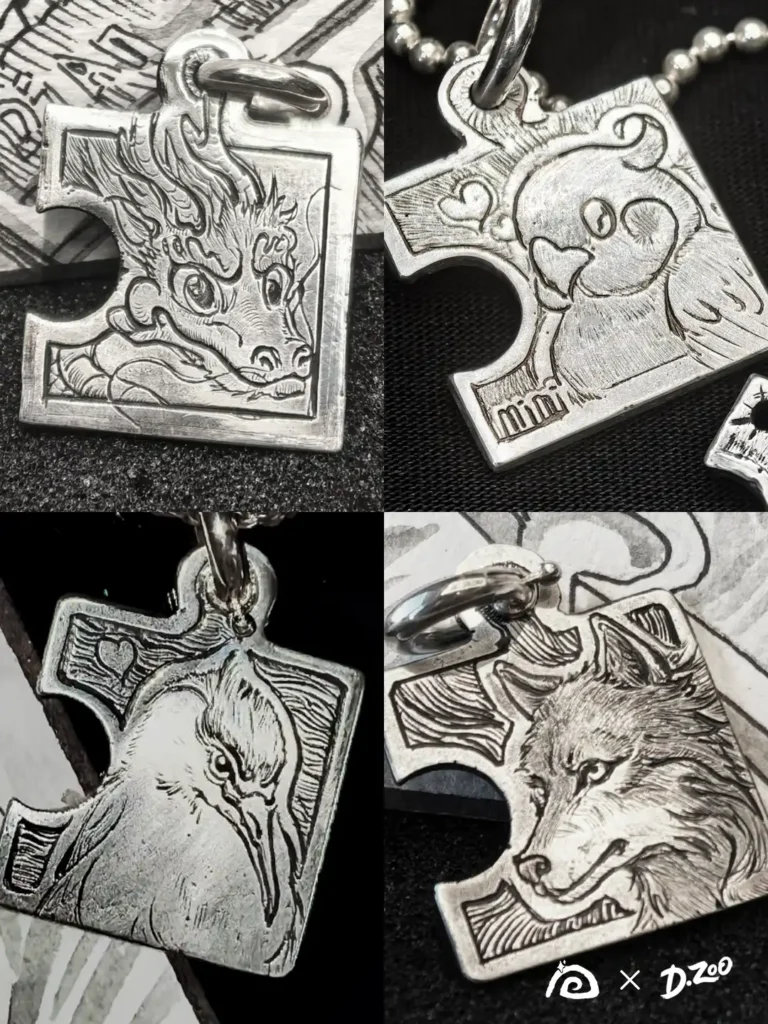
Using carving wax with high hardness, pure hand carving is carried out according to the design drawings, and at the same time, the wax model is repaired and cleaned, and the wax model is directly used for lost-wax casting jewelry. The jewelry made in this way is unique. It is generally suitable for exclusive customization, and one design is only for the achievement of one jewelry.
Hand-Carved Wax with Rubber Molds
After the unique wax model is obtained by the previous method, multiple refined silicone molds are made with it as the master mold. Then, the jeweler injects the mold with a softer casting wax to obtain a copy of the master mold. After obtaining the copy, the jeweler trims and cleans each wax model one by one. This method can retain the manual traces of the master mold and subsequent repairs, and realize mass production.
3D Printed Wax
After the design drawings are made three-dimensional thru 3D software, special photosensitive resin simulating traditional casting wax is used to print directly thru a 3D printer. This wax model almost does not need to be repaired and cleaned, and only needs to be checked simply. This method is suitable for mass production of completely identical jewelry, which is more standardized jewelry with weak manual traces.
Subtractive Processes after Lost-Wax Casting
The other techniques after casting determine the final quality and shape of the product. Therefore, the key process of transforming rough and dull metal castings into bright, exquisite and wearable works of art thru a series of precise manual and mechanical operations. It accounts for a large part of the total working hours of jewelry making, and directly determines the final texture and value of the finished product.
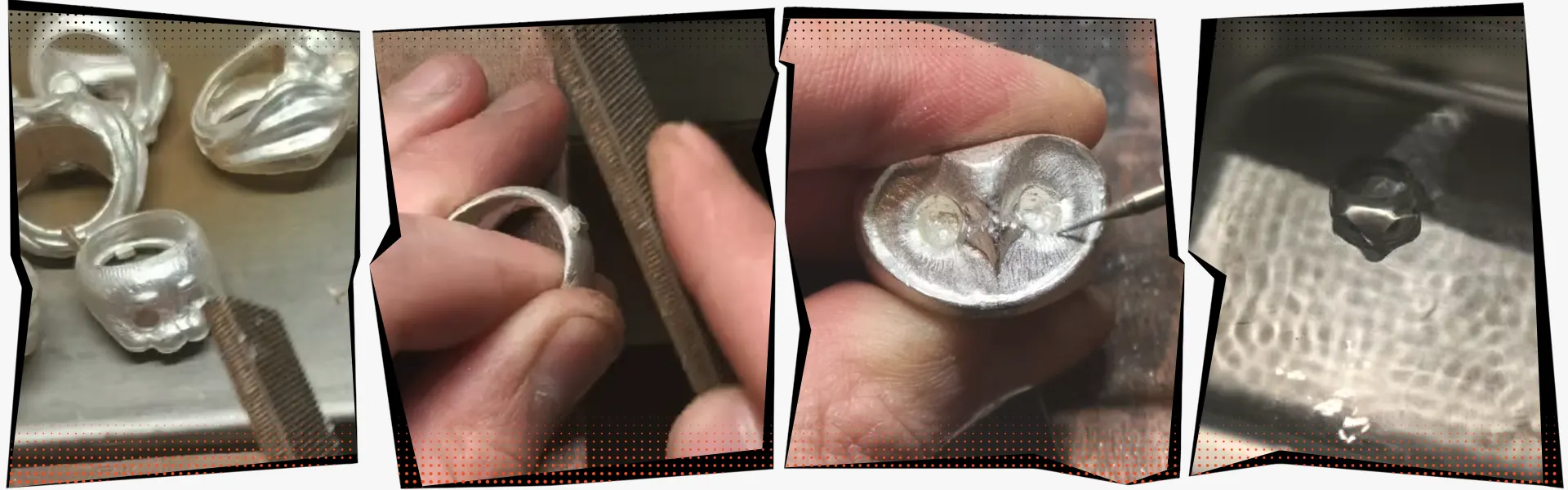
Filing and Refinement
First, the jeweler inspects the casting for defects. Major flaws require recasting. Minor issues, however, are corrected through filing, trimming, and reshaping. Coarse abrasives remove surface roughness and prepare the piece for polishing.
Grinding
Next, using rotating wheels and polishing compounds, the jeweler smooths surfaces and removes tool marks. Cloth wheels refine tight areas such as prongs and grooves. Through this step, surface uniformity is gradually established.
Polishing
Subsequently, hard wheels and coarse compounds restore metal brightness. Softer wheels and fine compounds then create mirror-like finishes. By carefully controlling heat and pressure, the final surface is refined.
Final Cleaning and Inspection
Finally, the jewelry is cleaned in an ultrasonic solution and with steam. The jeweler inspects structural elements such as ring roundness, clasp functionality, and alignment. Only after this inspection does the piece qualify as finished lost-wax casting jewelry.
Additional Techniques Closely Linked to Lost-Wax Casting Jewelry
In the subtractive process, the relevant process will be added appropriately. The processing technology must be used as needed when selecting. Not only the final esthetic effect should be considered, but also the compatibility and necessity of the chemical properties of the base metal and the target process should be considered.
The Related Processes of Lost-Wax Casting
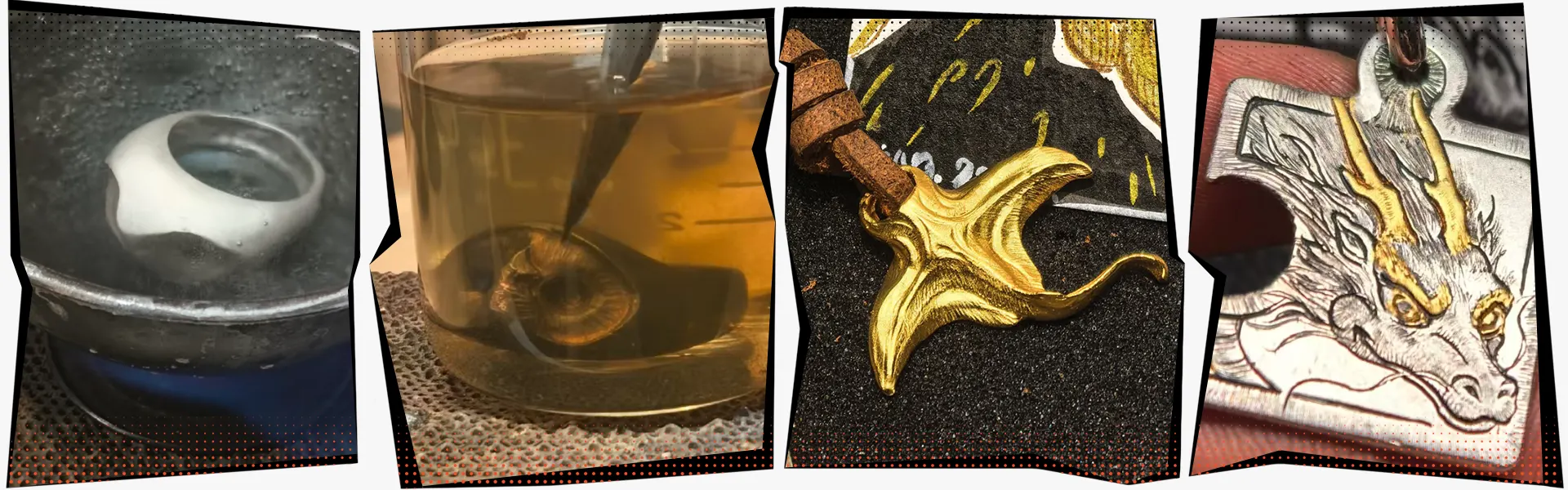
Boiled White
Thoroughly remove all oxides, oil stains, fire scale and polishing wax residue on the metal surface after mold making and welding, and restore the pure metal substrate.
Distressed
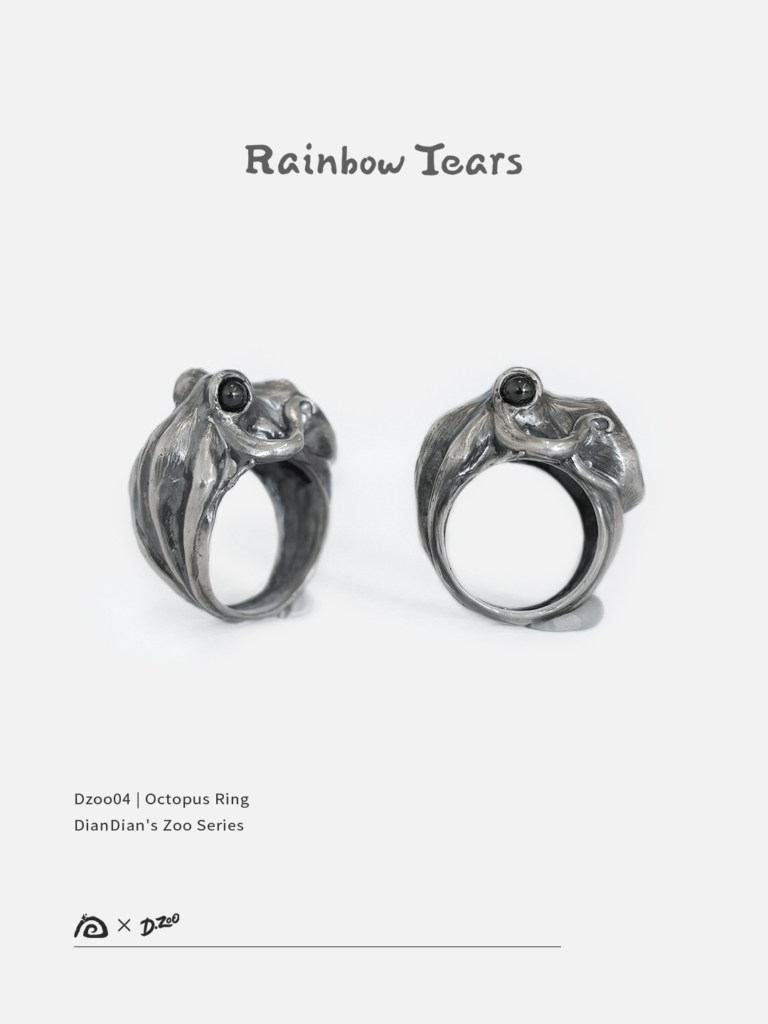
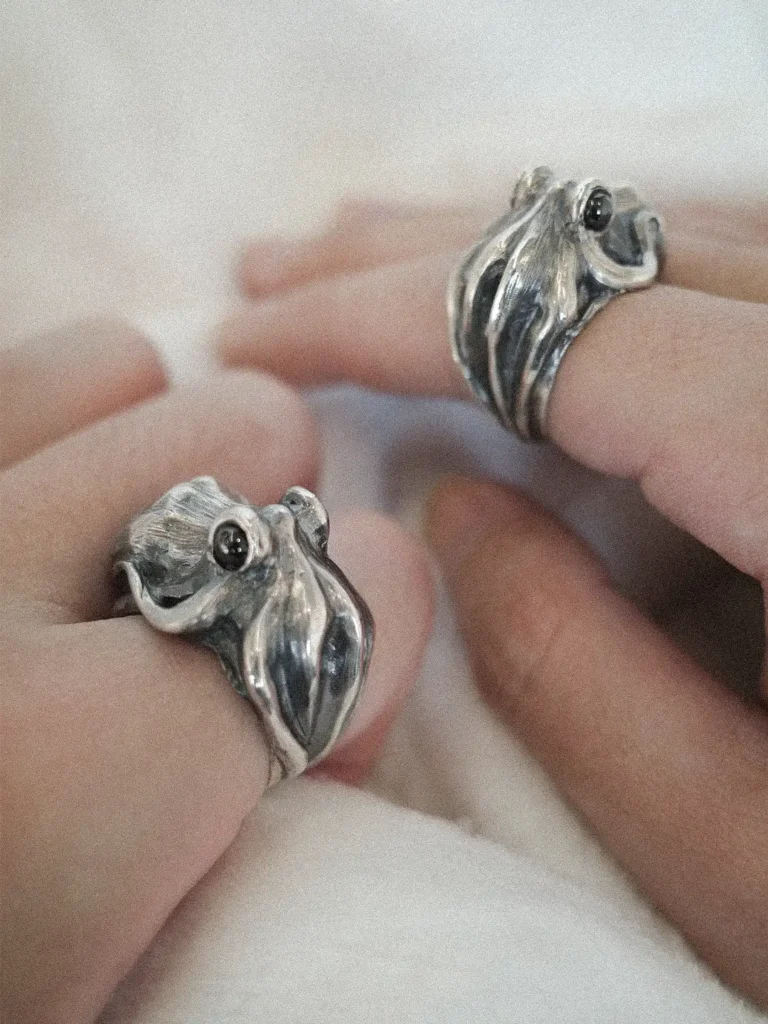
This is one of the most classic and effective surface treatments. A dark surface layer (black, gray, or brown) is artificially created, and the raised areas are then wiped to form a contrast between light and dark, thus highlighting the three-dimensional depth and retro character of the piece.
Sandblasting
Sandblasting is a process of impacting the metal surface with high-speed abrasive, forming diffuse reflection of light, and thus presenting a matte effect.
Brushing
Brushing is a process that creates fine linear textures on metal surfaces thru unidirectional continuous friction, resulting in a silky sheen.
Electroplating
Rhodium Plating
Rhodium plating provides a bright, white, super-hard, and non-tarnishing silver-white surface. For this reason, it is the standard process for white gold and silver jewelry to prevent oxidation.
Platinum Plating
It offers an elegant, gentle off-white color, and is wear-resistant and corrosion-resistant. The texture is more natural and gentle than rhodium plating.
Gold Plating
Gold plating may be applied either partially or entirely to restore worn gold jewelry or to enhance overall color intensity. In addition, a thicker layer of gold may be plated to strengthen color richness, or gold may be applied to other metals to achieve decorative contrast.
- Bright gold plating: plating 24K pure gold to obtain a rich gold color. It is often used for embellishment or overall color enhancement.
- K-gold plating: plating 18K, 14K and other K-gold consistent with the body, used to repair the color layer worn by polishing or to unify the color.
- Rose gold plating: plating an alloy containing copper elements to obtain a pink tone.
Silver Plating
Manufacturers use silver plating to give inexpensive metals a silver appearance. It is also used as an undercoat for rhodium or gold plating. Because silver is an excellent conductor, a silver undercoat allows for a more uniform and adherent rhodium/gold plating.
The Role of Other Techniques in Lost-Wax Casting Jewelry
Lost-wax casting only creates the “bones” and “shape” of the jewelry, while this series of wonderful “surface treatment” processes, including but not limited to the following, are the key to giving it “skin”, “color” and “soul”. It is thru the clever combination of these processes by designers and craftsmen that an ordinary piece of metal can eventually become a complete work of art full of expression, touch and stories.
The Significance of Lost-Wax Casting Jewelry
The entire process of lost-wax casting jewelry is essentially a “gradual transformation of material forms and esthetic concepts.” It has both the rigor of science – each step is constrained by the laws of physics and chemical equations; and the freedom of art – each link leaves room for the craftsman to interpret. From the first wisp of thot from the designer’s pen to the final mirror-like luster under the polishing wheel, this is a journey of solidifying intangible inspiration into wearable, inheritable, and conversational material poetry.